
In the age of digital content, music has become an essential element for enhancing videos, podcasts, social media posts, and live streams. It can set the mood, strengthen storytelling, and make content more engaging. However, using copyrighted music without proper authorization can bring severe legal consequences. Many creators mistakenly believe short clips or non-commercial use is safe, but copyright laws say otherwise. Understanding why you should avoid copyrighted music is crucial for safeguarding your work and avoiding costly legal troubles.
What Copyright Law Means for Music
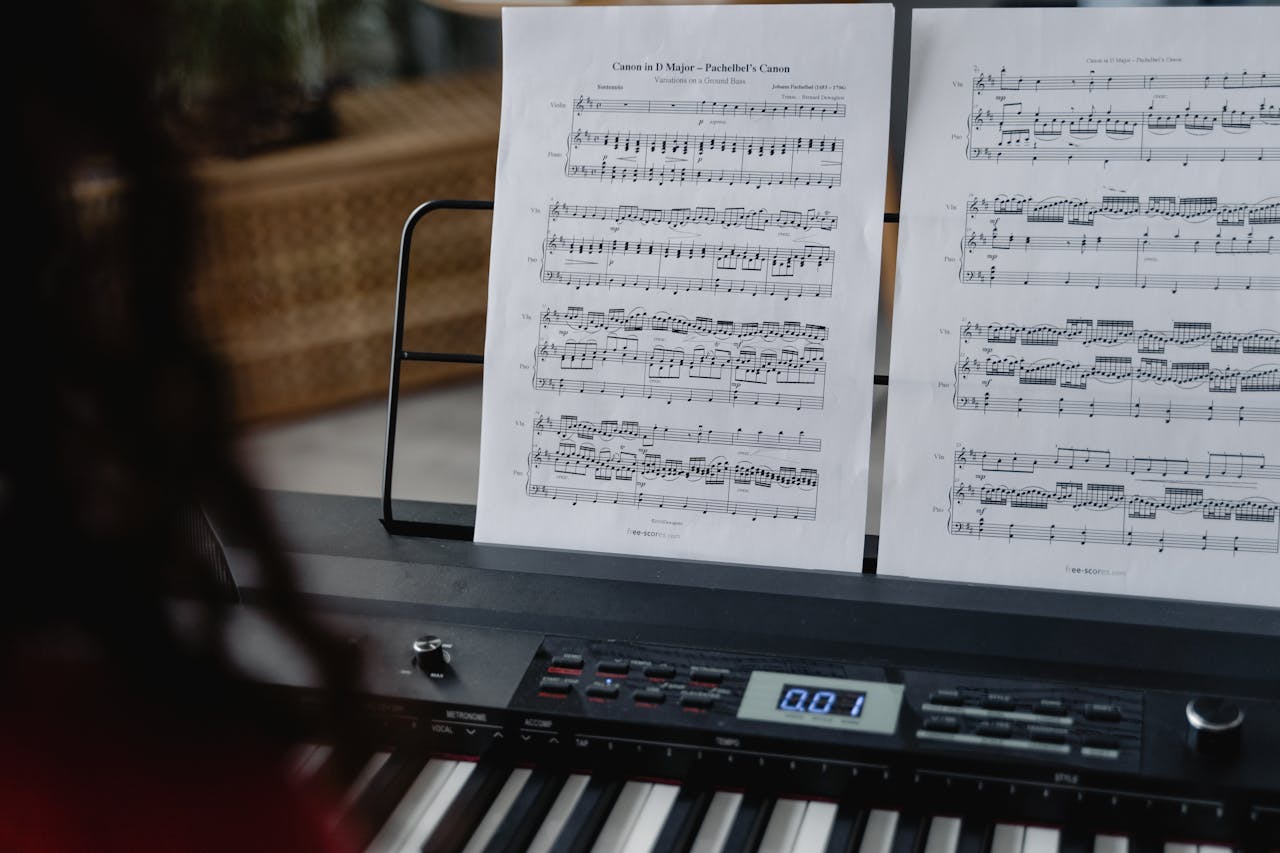 Copyright law grants music creators—composers, lyricists, and recording artists—exclusive rights over their work. These rights include reproduction, distribution, performance, and adaptation of their music. When you use a copyrighted song without a license, you are infringing on these rights. This applies regardless of whether you profit from the content or not. Even using just a few seconds of a track can trigger infringement claims, as there is no fixed “safe” duration under most copyright laws.
Risk of Expensive Lawsuits
One of the most serious consequences of using copyrighted music without permission is the possibility of legal action. Rights holders, such as record labels or independent artists, can sue for damages. In many countries, statutory damages for copyright infringement can reach thousands of dollars per incident. If the infringement is deemed intentional, the penalties can be even more severe. These cases can be time-consuming, stressful, and financially draining, even if you settle out of court.
Content Removal and Platform Strikes
Social media and video-sharing platforms use automated detection tools to identify copyrighted material. Services like YouTube’s Content ID, Instagram’s Rights Manager, and TikTok’s copyright system can instantly flag unlicensed music in your content. This often leads to videos being muted, blocked, or deleted. Repeat violations can result in strikes against your account, and too many strikes may lead to account suspension or permanent bans, effectively erasing your audience and hard-earned progress.
Reputation Damage
Legal issues are not the only concern. Being flagged for copyright infringement can harm your credibility as a creator. Brands, sponsors, and collaborators tend to work with people who respect intellectual property laws. A public record of copyright violations can make potential partners hesitant to associate with you, reducing opportunities for collaborations, sponsorships, and long-term growth.
Safer Music Alternatives
To protect yourself from legal trouble, it’s essential to use music that is safe and licensed. Royalty-free music libraries such as Epidemic Sound, Artlist, and AudioJungle offer high-quality tracks you can legally use for a one-time fee or subscription. Creative Commons-licensed music is another option, but be sure to check the specific terms, as some licenses still require attribution or prohibit commercial use. Commissioning original compositions is also a great way to ensure your content is unique and free from legal risks.
The legal reasons to avoid using copyrighted music are clear: it safeguards you from expensive lawsuits, prevents your content from being removed, and preserves your professional reputation. With so many affordable and legal music options available today, there’s no reason to take unnecessary risks. By respecting copyright laws, you can create high-quality, engaging content that is both legally compliant and trusted by your audience.